The company traces its roots to a design-driven vision that emerged years ago from Sweden’s long automotive heritage, where performance, safety, and minimalist aesthetics have long defined vehicle engineering. Conceived initially as a performance sub-brand linked to Volvo, the project evolved into a standalone electric vehicle manufacturer as global interest in electric cars and electric vehicles accelerated. The early narrative centered on combining Scandinavian design, sustainability, and innovation into premium electric cars that could compete globally, positioning the brand as both forward-looking and deeply rooted in European automotive tradition.
Polestar Automotive Holding (NASDAQ:PSNY) was formally established as an independent electric vehicle company with headquarters in Sweden, supported by strategic backing from Volvo Cars and its parent Geely. From the beginning, Polestar Automotive Holding UK PLC framed itself as a global EV brand rather than a regional automaker, with ambitions spanning Europe, North America, China, and Australia. The company emphasized clean design, digital-first customer experiences, and a streamlined model lineup, aiming to differentiate itself from legacy auto manufacturers transitioning more gradually into electric vehicles.
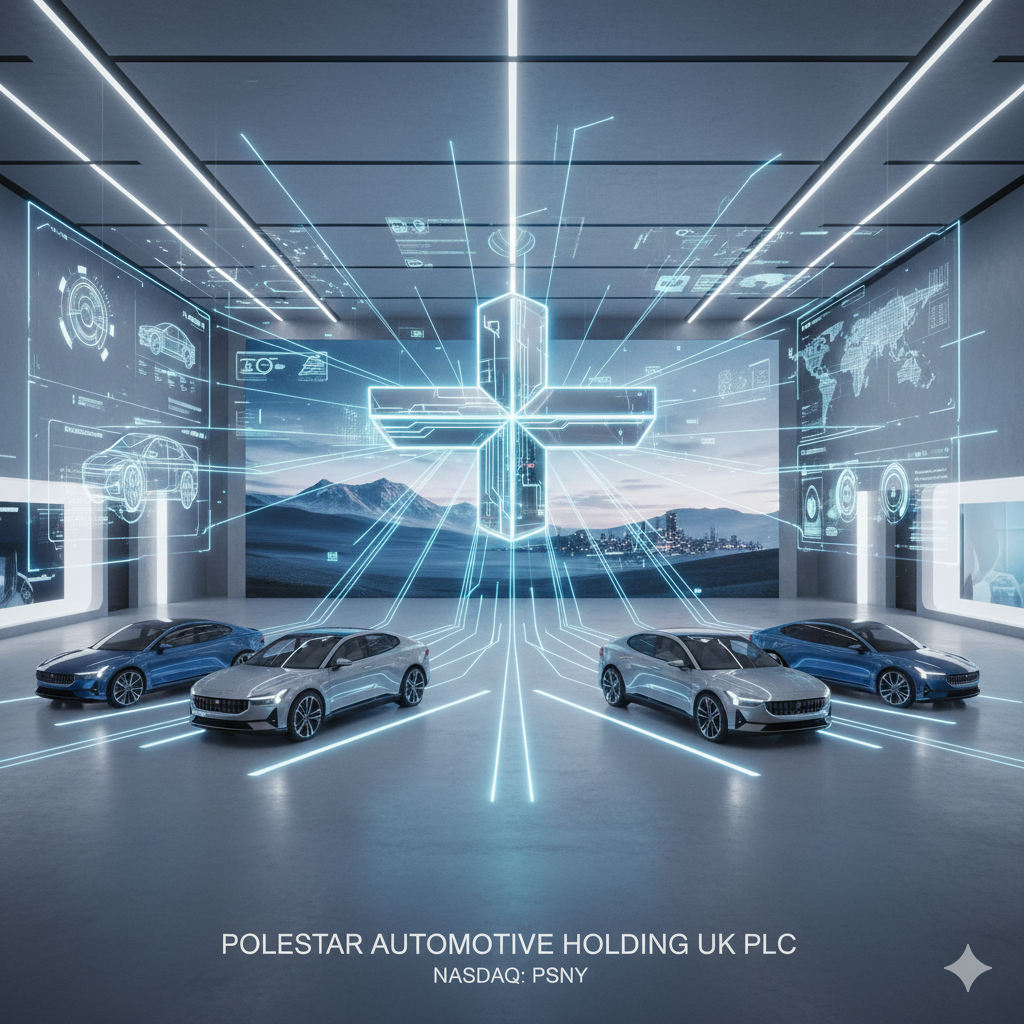
Polestar Automotive Holding UK PLC entered public markets during a period of heightened enthusiasm for electric vehicles, when investors were eager to back brands promising innovation, performance, and rapid growth. The company highlighted its early production model, the Polestar 2, as proof that it could move beyond concept cars into commercial scale. This fastback electric sedan became the foundation of its initial revenue base and global rollout, supported by aggressive marketing, online sales channels, and physical “spaces” designed to showcase the brand experience rather than traditional dealerships.
As the company matured, Polestar Automotive Holding UK PLC expanded its roadmap to include a broader range of models aimed at different segments of the EV market. The Polestar 3 SUV and Polestar 4 crossover were introduced to address demand for larger vehicles, while the Polestar 5 performance sedan and the Polestar Precept concept car were positioned as halo products showcasing future technology, power, and design language. These vehicles were meant to reinforce the brand’s identity around performance, range, and innovation, while signaling long-term commitment to electric vehicle development.
The background of Polestar Automotive Holding UK PLC is closely tied to its global production strategy, which relies on an international supply chain and manufacturing partnerships rather than vertically integrated factories in every market. This approach allowed the company to scale more quickly in its early years, but it also introduced complexity related to tariffs, trade policy, and regulatory differences across countries. As electric vehicles became more politicized within global trade discussions, exposure to Europe, China, and the United States added layers of operational and financial risk to the company’s expansion plans.
From a corporate perspective, Polestar Automotive Holding UK PLC positioned itself as a technology-forward auto company, emphasizing software integration, over-the-air updates, and a digital ownership experience. Marketing efforts focused heavily on content, design storytelling, and lifestyle branding, aiming to appeal to consumers interested not just in cars, but in sustainability and modern mobility. This strategy aligned with broader EV trends but also required sustained spending on brand awareness, events, and advertising to remain visible in an increasingly crowded electric vehicle market.
Financially, the company’s background reflects the realities faced by many EV manufacturers that scaled during peak investor optimism. Despite growing awareness of Polestar vehicles and expanding geographic reach, the business has operated with persistent losses, high development costs, and ongoing capital needs. Market capitalization and stock price performance have fluctuated significantly since listing, mirroring changing sentiment toward electric vehicles, interest rates, and risk appetite across global markets.
Over time, Polestar Automotive Holding UK PLC’s story has become emblematic of the challenges faced by premium EV brands attempting to bridge the gap between design-led ambition and sustainable profitability. While the company continues to refine its models, production plans, and global presence, its background is defined by a rapid rise during the EV boom, followed by a more sobering phase where execution, cost control, and competitive pressure have taken center stage. This history continues to shape how investors and consumers evaluate Polestar’s place within the evolving electric vehicle landscape.
Polestar Automotive Holding UK PLC Struggles to Translate Brand Appeal Into Financial Strength
Polestar Automotive Holding UK PLC entered public markets with the promise of blending Scandinavian design, electric performance, and premium branding into a global electric vehicle challenger. Based in Sweden with deep roots in Volvo and Geely, Polestar was positioned years ago as a design-led EV brand capable of competing with established luxury auto manufacturers. However, despite growing visibility of Polestar vehicles on roads across Europe, the United States, and Australia, the company has struggled to convert innovation, concept cars, and marketing momentum into sustainable shareholder value.
As of late 2025, Polestar Automotive Holding UK PLC remains under pressure from persistent losses, heavy capital requirements, and volatile investor sentiment. Shares have declined sharply despite continued electric vehicle adoption globally, highlighting a disconnect between the broader EV narrative and Polestar’s company-specific execution.
CHECK THIS OUT: Why Nebius (NBIS) Could Outperform CoreWeave & Dominate the $9B AI Infrastructure Market and Is Lucid Group (LCID) Running Out of Cash? $875M Note Deal Raises Alarms.
Weak Stock Performance Reflects Structural Investor Skepticism
Polestar stock performance has been a clear signal of market doubt. As of November 2025, PSNY was trading below $15, down approximately 44 percent year to date and roughly 54 percent over the past twelve months. The stock’s 52-week range of $11.72 to $42.60 underscores extreme volatility and ongoing uncertainty around Polestar’s ability to scale profitably.
Despite periodic optimism driven by new model announcements and marketing campaigns, the market capitalization of approximately $30.37 billion continues to imply expectations that many investors believe remain difficult to justify given the company’s financial trajectory. With no meaningful earnings and negative free cash flow, valuation remains largely narrative-driven rather than grounded in demonstrated profitability.
Electric Vehicle Competition Intensifies Across All Core Markets
Polestar Automotive Holding operates in one of the most competitive auto environments in history. Electric vehicles are no longer a niche category dominated by a few innovators. Legacy automakers and global EV leaders now flood the market with electric cars across every price point and segment, from compact sedans to high-performance SUVs.
Polestar’s current lineup, including the Polestar 2, Polestar 3, Polestar 4, and the upcoming Polestar 5, competes directly with offerings from Tesla, BMW, Mercedes-Benz, Audi, Porsche, and rapidly improving Chinese manufacturers. While Polestar emphasizes design, driving experience, and performance, these differentiators are increasingly difficult to defend as competitors match or exceed specifications related to range, speed, power, and onboard technology.
In markets such as Europe and China, intense price competition has already forced several EV manufacturers to cut prices, compress margins, and sacrifice profitability in pursuit of volume. Polestar’s limited scale compared to larger rivals places it at a disadvantage when price wars emerge.
Production Scale and Cost Structure Remain Core Weaknesses
Polestar Automotive Holding’s business model depends on achieving sufficient production scale to lower unit costs and absorb fixed expenses tied to development, marketing, and global expansion. However, production volumes remain modest relative to global auto leaders, limiting operating leverage.
Supply chain complexity further compounds this challenge. Polestar’s international production footprint exposes the company to tariffs, trade disputes, and regulatory shifts across the U.S., Europe, and China. Tariff pressure on imported electric vehicles and battery components remains a significant risk, particularly as governments reassess trade policy and industrial protection. Rising input costs related to batteries, raw materials, and logistics threaten to further erode margins that are already under strain.
Reuters and industry commentary throughout 2025 have repeatedly flagged tariffs and trade tensions as meaningful headwinds for global EV makers, with Polestar among the most exposed due to its cross-border supply chain.
Heavy Cash Burn and Ongoing Losses Cloud the Path to Profitability
Financial performance remains the most pressing concern for bear-leaning investors. Despite electric vehicle sales growth, Polestar continues to report operational losses, reflecting high development costs, marketing spend, and manufacturing expenses. Without positive earnings or free cash flow, the company remains dependent on external funding and shareholder support.
Analyst sentiment reflects this concern. According to Benzinga, PSNY carries a consensus price target of $2.34 based on nine analyst ratings, with estimates ranging from a high of $9 to a low of $0.78. Even more recent ratings from major firms average around $2.42, suggesting that professional analysts see limited upside unless execution improves dramatically.
These forecasts highlight the market’s concern that Polestar’s current price still fails to fully reflect dilution risk, future capital needs, and the difficulty of achieving sustained profitability in a crowded EV market.
New Models Add Complexity Without Guaranteeing Margin Relief
Polestar continues to invest heavily in new vehicle development, including the Polestar 3 SUV, Polestar 4 crossover, Polestar 5 performance sedan, and the Polestar Precept concept car. While these models reinforce the brand’s commitment to innovation, design, and electric performance, each new launch increases capital requirements, operational complexity, and execution risk.
Developing, testing, and launching multiple models across different vehicle segments requires significant upfront investment. Without clear evidence that these vehicles can command premium pricing and high volumes simultaneously, the risk remains that incremental sales will not translate into improved margins.
The EV market has already shown that strong design and compelling specifications do not automatically lead to financial success, particularly when consumer demand softens or incentives decline.
Macroeconomic and Consumer Demand Risks Remain Elevated
Electric cars remain large discretionary purchases for most consumers. Rising interest rates, higher financing costs, and economic uncertainty across Europe, the U.S., and parts of Asia continue to influence buying behavior. In such an environment, consumers may delay EV purchases, opt for cheaper alternatives, or favor brands with proven resale value and extensive service networks.
Polestar Automotive Holding lacks the brand history and scale advantages of long-established luxury auto manufacturers, which could weigh on demand during periods of economic stress. Reduced consumer appetite for premium EVs would directly impact deliveries, revenue growth, and inventory management.
Why the Bear Case on Polestar Automotive Holding Persists
The bearish thesis for Polestar Automotive Holding UK PLC is not rooted in a lack of ambition, design quality, or technological competence. Instead, it reflects the structural realities of the modern auto industry, where scale, cost control, and balance sheet strength matter as much as innovation and branding.
Despite global expansion efforts, new model launches, and continued marketing investment, Polestar remains burdened by persistent losses, production inefficiencies, and intense competitive pressure. Stock price volatility, weak long-term returns, and cautious analyst forecasts reinforce the view that the market remains unconvinced about Polestar’s ability to deliver sustainable profitability.
Until the company demonstrates clear progress toward positive cash flow, margin improvement, and defensible market share in a tariff-constrained, highly competitive EV landscape, Polestar Automotive Holding UK PLC is likely to remain vulnerable to downside risk. For investors focused on capital preservation rather than speculative recovery, the bear case remains compelling in the current environment.
READ ALSO: Above Food (ABVE) to Issue 1.1 Billion New Shares in Merger and Perpetua Resources (PPTA) Soars 171% as U.S. Approves $1.3B Gold-Antimony Mine.