MP Materials Corporation (NYSE:MP) is a rare earth materials company that has become a cornerstone of the United States’ strategy to secure critical mineral supply chains. Headquartered in Las Vegas, Nevada, the company owns and operates the Mountain Pass Rare Earth Mine and Processing Facility in California, the only large-scale rare earth mining and processing site in North America. This asset makes MP Materials the leading producer of rare earth materials in the Western Hemisphere, providing vital inputs for electric vehicles, renewable energy, defense technologies, and high-performance electronics. Unlike many resource companies that focus solely on extraction, MP Materials is vertically integrated, managing every stage from mining and separation to the development of metals, alloys, and permanent magnets. This comprehensive approach positions the company as a unique player globally, bridging the gap between raw materials and high-value industrial applications.
The company’s background is deeply tied to the revitalization of the American rare earth industry. After acquiring Mountain Pass out of bankruptcy in 2017, MP Materials set out to restore U.S. leadership in a sector long dominated by China. Its strategy has centered on building a fully integrated supply chain that reduces reliance on foreign processing facilities and enhances national security. By 2025, MP had expanded beyond its core mining operations into the Magnetics segment, highlighted by the development of a new facility in Fort Worth, Texas. This site is dedicated to producing rare earth metals, alloys, and neodymium-iron-boron (NdFeB) magnets, which are critical for clean energy and defense applications. The company’s expansion into magnet production is a transformative step that elevates it from a commodity producer into a technology-driven industrial supplier.
A pivotal moment in MP’s history came in July 2025, when the U.S. Department of Defense made a $400 million preferred equity investment in the company, becoming its largest shareholder. This unprecedented support reflects not only the government’s recognition of MP’s strategic value but also its trust in MP’s ability to deliver a secure and sustainable supply chain for critical materials. Alongside this investment, the Pentagon agreed to guaranteed purchases of neodymium-praseodymium (NdPr) at a set price floor, further de-risking MP’s revenues from volatile commodity markets. CEO James Litinsky emphasized that this level of backing is possible only because MP has built a vertically integrated model that covers the entire supply chain—an achievement unmatched by competitors.
Despite its achievements, MP has faced financial challenges. The company reported revenue of $242.12 million with a three-year growth rate of -11.8%, reflecting both market cycles and the heavy costs of expansion. Operating margins stood at -65.01% and net margins at -41.87%, underscoring the investment-heavy nature of building downstream capacity. However, MP’s balance sheet shows resilience with a current ratio of 3.6, a quick ratio of 3.12, and moderate leverage at a debt-to-equity ratio of 0.91. Its market capitalization of $13.23 billion demonstrates strong investor confidence, and institutional ownership of more than 83% reflects conviction from major funds in its long-term trajectory.
The company’s valuation metrics, including a price-to-sales ratio of 50.59 and a price-to-book ratio of 12.09, suggest that the market is already pricing in significant growth potential. Analysts have offered mixed sentiment, with target prices averaging $71.39, while technical indicators suggest that the stock may be approaching overbought levels. Nevertheless, the strategic importance of MP’s business model, coupled with direct government support, gives the company an advantage that extends beyond traditional financial analysis. Its strong Altman Z-Score of 6.4 indicates overall financial stability, while its classification as “Distressed” and “Overvalued” by some valuation models highlights the tension between market enthusiasm and financial fundamentals.
Overall, MP Materials represents the revival of the U.S. rare earth industry and a critical safeguard against global supply chain risks. With its full vertical integration, government partnership, and expansion into magnetics, MP is uniquely positioned to capitalize on the electrification megatrend and the growing demand for secure, domestic sources of rare earth materials. The company’s background as both a miner and a downstream manufacturer illustrates its transformation into a comprehensive rare earth powerhouse, making it a central player in the future of energy, defense, and technology.
Pentagon’s $400 Million Investment as a Game-Changer
In July 2025, MP Materials secured a landmark $400 million preferred equity investment from the U.S. Department of Defense. This investment made the Pentagon MP’s largest shareholder, with an eventual stake of around 15%. More importantly, it came with guaranteed purchase agreements, including a price floor of $110 per kilogram for neodymium-praseodymium (NdPr), which significantly reduces MP’s exposure to volatile commodity cycles. CEO James Litinsky emphasized that MP’s full vertical integration was the decisive factor in attracting this unprecedented backing. The deal demonstrates that the U.S. government sees MP as indispensable to securing critical supply chains and insulating national defense from foreign dependence.
CHECK THIS OUT: CEL-SCI (CVM) Stock Could Explode After Saudi Breakthrough Deal and Ondas Holdings (ONDS) Lands $2.7M Defense Order.
Mountain Pass and the Magnetics Expansion
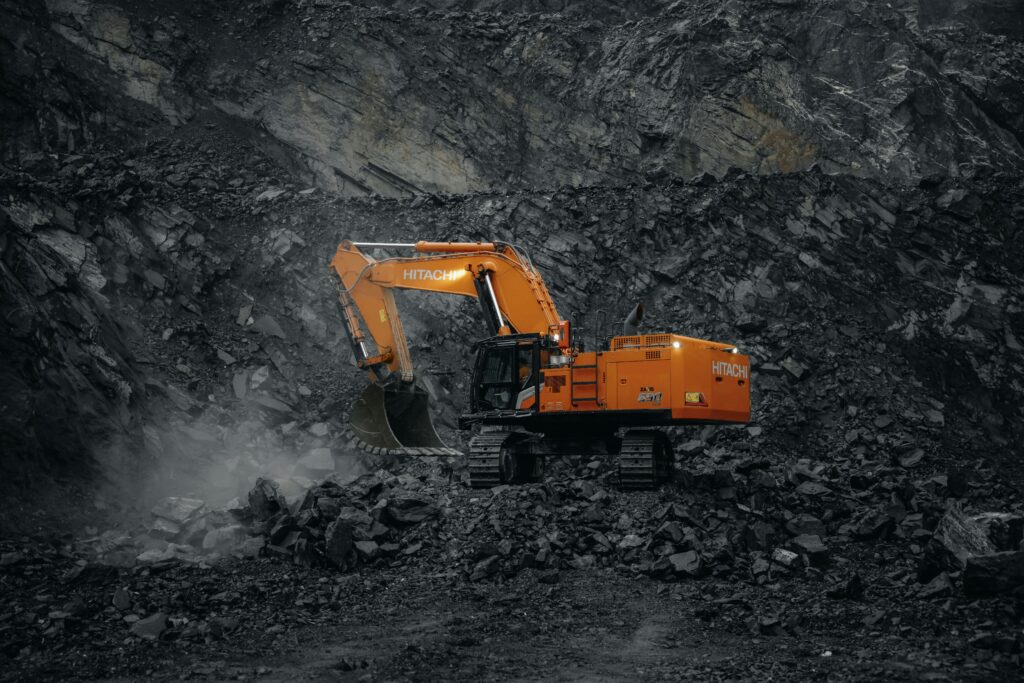
At the heart of MP’s operations is Mountain Pass, the only large-scale rare earth mine of its kind in the Western Hemisphere. This facility anchors the company’s Materials segment, producing rare earth concentrates and separating high-value elements such as NdPr. To capture more margin and reduce reliance on external processing, MP has launched its Magnetics segment, which includes a new facility in Fort Worth, Texas. This plant is being developed to manufacture rare earth metals, alloys, and permanent magnets used in EV drivetrains, wind turbines, and advanced weaponry. By moving downstream, MP positions itself to become a comprehensive supplier, able to deliver not just raw material but finished products ready for OEMs and defense contractors.
Financial Performance and Liquidity Strength
Although strategically well-positioned, MP’s financials have faced turbulence. The company reported revenue of $242.12 million with a three-year growth rate of -11.8%. Margins have been under pressure, with an operating margin of -65.01% and a net margin of -41.87%. These challenges reflect both cyclical pricing in rare earths and the heavy investment required to scale downstream capabilities. Yet MP maintains strong liquidity with a current ratio of 3.6 and a quick ratio of 3.12, giving it room to fund expansion. Its debt-to-equity ratio of 0.91 suggests moderate leverage, manageable in light of government support and institutional backing. In essence, while profitability is currently constrained, the balance sheet provides the flexibility to sustain operations and continue growth initiatives.
Valuation and Investor Sentiment
Valuation metrics show that MP is richly priced relative to traditional miners. Its P/S ratio stands at 50.59 and its P/B ratio at 12.09, both close to five-year highs. Technical indicators also point to near-term caution, with a 14-day RSI of 67.87 signaling overbought conditions. Analysts remain split, assigning an average target price of $71.39 with a lukewarm recommendation score of 2 out of 13. Despite these warnings, institutional ownership sits at an impressive 83.27%, reflecting strong confidence from major funds and long-term investors. This high level of institutional participation often signals that large investors are willing to look past short-term volatility in favor of the company’s structural advantages.
Risk Factors and Market Volatility
Investors must also weigh the risks inherent in MP Materials. Geopolitical tensions remain a constant threat, as rare earths are often used as leverage in trade disputes, particularly involving China. The company’s high beta of 1.83 reflects its volatility, meaning large price swings are to be expected. While its Altman Z-Score of 6.4 shows strong financial stability, GF Valuation models classify MP as “Significantly Overvalued” and “Distressed,” warning of potential corrections. Additionally, profitability remains elusive as expansion costs and downstream integration challenges continue to weigh on results. These factors underline the importance of patience and risk tolerance when investing in MP.
Why the Bullish Case Still Holds
Despite near-term financial headwinds and valuation concerns, the bullish thesis for MP Materials rests firmly on its unmatched strategic positioning. No other company in North America can claim to control the entire rare earth value chain. The Pentagon’s $400 million investment and guaranteed pricing arrangements give MP not just financial stability but a moat against global competitors. As the global economy electrifies and demand for permanent magnets accelerates in EVs, wind turbines, robotics, and defense, MP is positioned to become the go-to supplier for both commercial and government buyers.
For long-term investors, the appeal lies in MP’s ability to evolve from a mining company into a vertically integrated, high-margin magnetics powerhouse. If it executes on its downstream expansion and captures share in the trillion-dollar electrification megatrend, today’s valuation concerns could pale in comparison to the future potential.