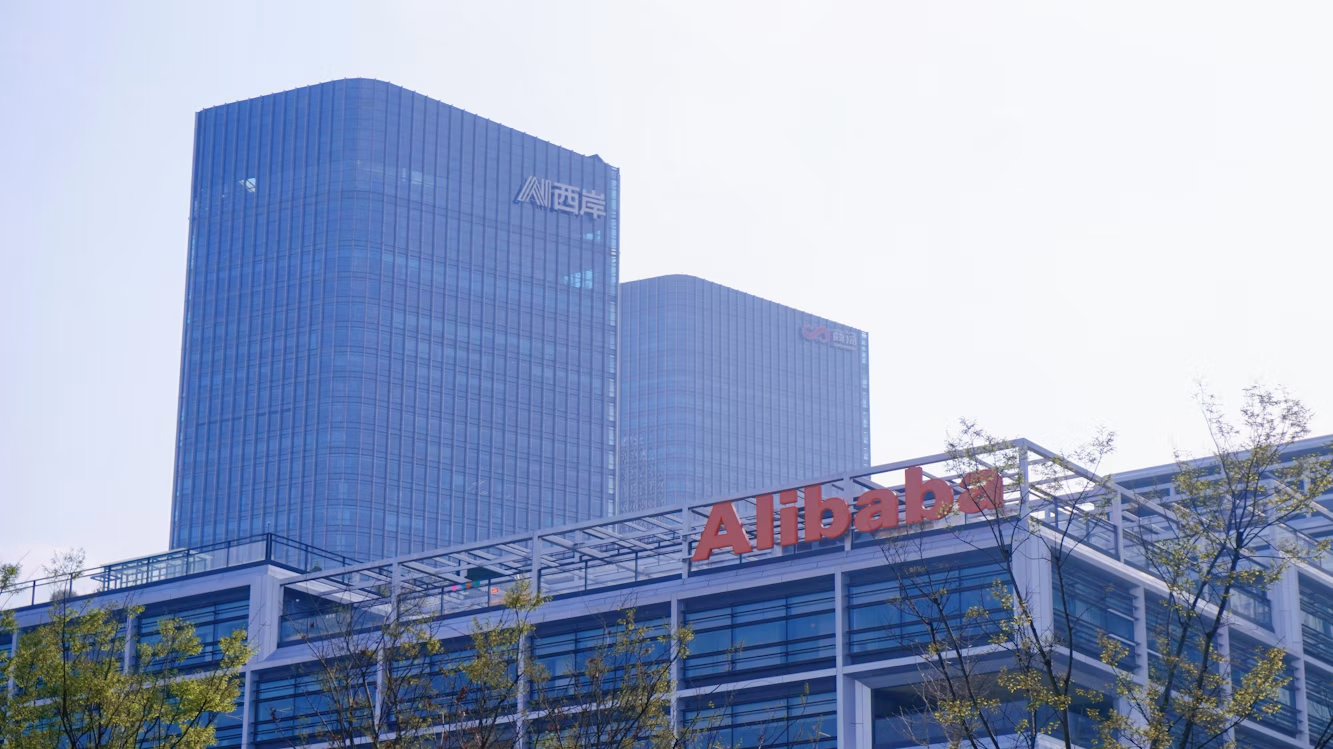
The bullish thesis for Alibaba Group Holding Limited (NYSE:BABA) centers on its ability to combine an established e-commerce business with a rapidly expanding AI and cloud computing operation. Investors gain exposure to two potential earnings drivers—commercial activity across its shopping platforms and enterprise demand for the infrastructure needed to run artificial intelligence.
At approximately 17.9 times forward earnings, the supplied valuation leaves room for debate over how much of that opportunity is already reflected in the share price. Bulls would argue that stronger cloud profitability, accompanied by stable e-commerce earnings, could support a more favorable valuation. The opportunity depends on Alibaba making its AI investments financially productive across the broader group.
AI Cloud Demand Is Already Translating Into Revenue
Alibaba’s cloud growth provides concrete support for the investment case. For the quarter ended June 30, 2026, AI Cloud and Compute Services revenue increased 45% year over year to RMB48.44 billion. The company attributed that expansion primarily to public cloud growth, including greater adoption of AI-related products. Segment adjusted EBITA also increased 133% to RMB5.63 billion, supported by revenue growth and improving operating efficiency.
That combination matters. Revenue growth shows customers are spending, while faster growth in adjusted operating earnings suggests the segment is beginning to capture benefits from scale. Adjusted EBITA does not establish the cash return on Alibaba’s infrastructure investments, but it gives bulls evidence that cloud expansion can improve operating profitability.
If customers continue moving AI projects into everyday business operations, computing demand could become more recurring. Under the bullish scenario, Alibaba would benefit as those customers expand workloads, purchase additional services, and increase spending over time.
Enterprise Adoption Could Deepen Customer Relationships
The longer-term opportunity extends beyond selling computing capacity. Businesses adopting AI often need infrastructure, development tools, data services, and support to put applications into production. Serving more of those needs could allow Alibaba to increase the commercial value of existing cloud relationships.
For example, a customer might begin with a limited AI deployment and later expand into customer support, internal document analysis, or workflow automation. If Alibaba remains the provider as usage grows, that relationship could generate additional revenue without requiring the company to acquire an entirely new customer.
This is a potential growth pathway rather than a guaranteed outcome. Competition can push prices lower, and customers may use several providers. Nevertheless, successful enterprise adoption could give Alibaba a more durable revenue base and strengthen the earnings contribution of its cloud business.
E-Commerce Gives the Thesis Another Route to Earnings Growth
Alibaba’s e-commerce exposure adds a separate source of potential value. The bullish case does not require online shopping to grow at the same pace as AI cloud services. A stable, profitable commerce business could provide an important earnings foundation while cloud becomes a larger contributor.
There is also a potential operational benefit from applying AI within commerce. Better product discovery, merchant tools, and customer service could improve the experience for shoppers and sellers. If those improvements increase purchasing activity or reduce operating costs, they could strengthen the economics of the existing business.
The crucial distinction is between activity and profitability. Winning more orders through expensive incentives would offer limited support for the thesis. Bulls need evidence that Alibaba can retain customers and merchants while maintaining disciplined spending and healthy commercial returns.
Heavy AI Spending Could Build Future Earning Capacity
Infrastructure investment remains a central tension in the Alibaba story. Building capacity requires substantial spending before the full revenue opportunity becomes visible. That can constrain near-term cash generation even when customer demand is strong.
The bullish interpretation is that well-directed investment builds the capacity needed to serve future workloads. As utilization rises, Alibaba could spread infrastructure costs across more revenue and improve returns on those assets.
However, additional capacity only creates value if customers use it at commercially attractive prices. Bulls should therefore watch cloud margins and cash generation alongside revenue growth. Improving segment earnings are encouraging, but the stronger confirmation would be sustained returns after the necessary investment.
A Revaluation Could Follow Stronger Earnings Confidence
Using the supplied snapshot, Alibaba Group Holding Limited (NYSE: BABA) carries average analyst upside potential of approximately 78.04%, alongside 97 hedge fund holders in Q2 2026. Those figures indicate substantial expectations and institutional participation, although neither guarantees future performance.
The more persuasive bullish argument rests on earnings. If cloud continues expanding profitably and e-commerce provides a stable foundation, Alibaba could deliver a stronger consolidated earnings outlook. Greater confidence in that outlook could then support a higher share price through earnings growth, a more favorable valuation, or both.
For investors researching Chinese technology stocks, Alibaba offers a specific catalyst to follow—whether accelerating AI demand becomes a lasting source of profits and cash returns. The bullish thesis works best when cloud growth strengthens the financial performance of the entire company.
YOU MUST READ THIS: 10 Cheap Stocks Reddit Investors Think Could Skyrocket
Disclosure: No material interests to disclose. This article was originally published on Global Market Bulletin.